Tesla CybercabExplainer
Release date
Tesla Cybercab release date: riding in Austin since Sept. 3, Dallas in November and customer sales by end of 2026
Tesla's Cybercab is already on the road. Tesla started commercial Cybercab rides in Austin on Sept. 3, 2026, and on Oct. 10 its Robotaxi account said more than 300 Cybercabs were serving the city, eight times as many as a month earlier. On Tesla's Oct. 21 earnings call, its head of AI software said Cybercab service launches in Dallas next month, and its vehicle engineering chief said Tesla aims to reach customers by the end of 2026. The Cybercab is a two-seat electric car with no steering wheel or pedals, built at Gigafactory Texas and hailed through the Robotaxi app. You can't buy one yet: Tesla hasn't announced a price or opened orders, although Elon Musk said in February that Tesla would sell one to a customer for $30,000 or less before 2027.
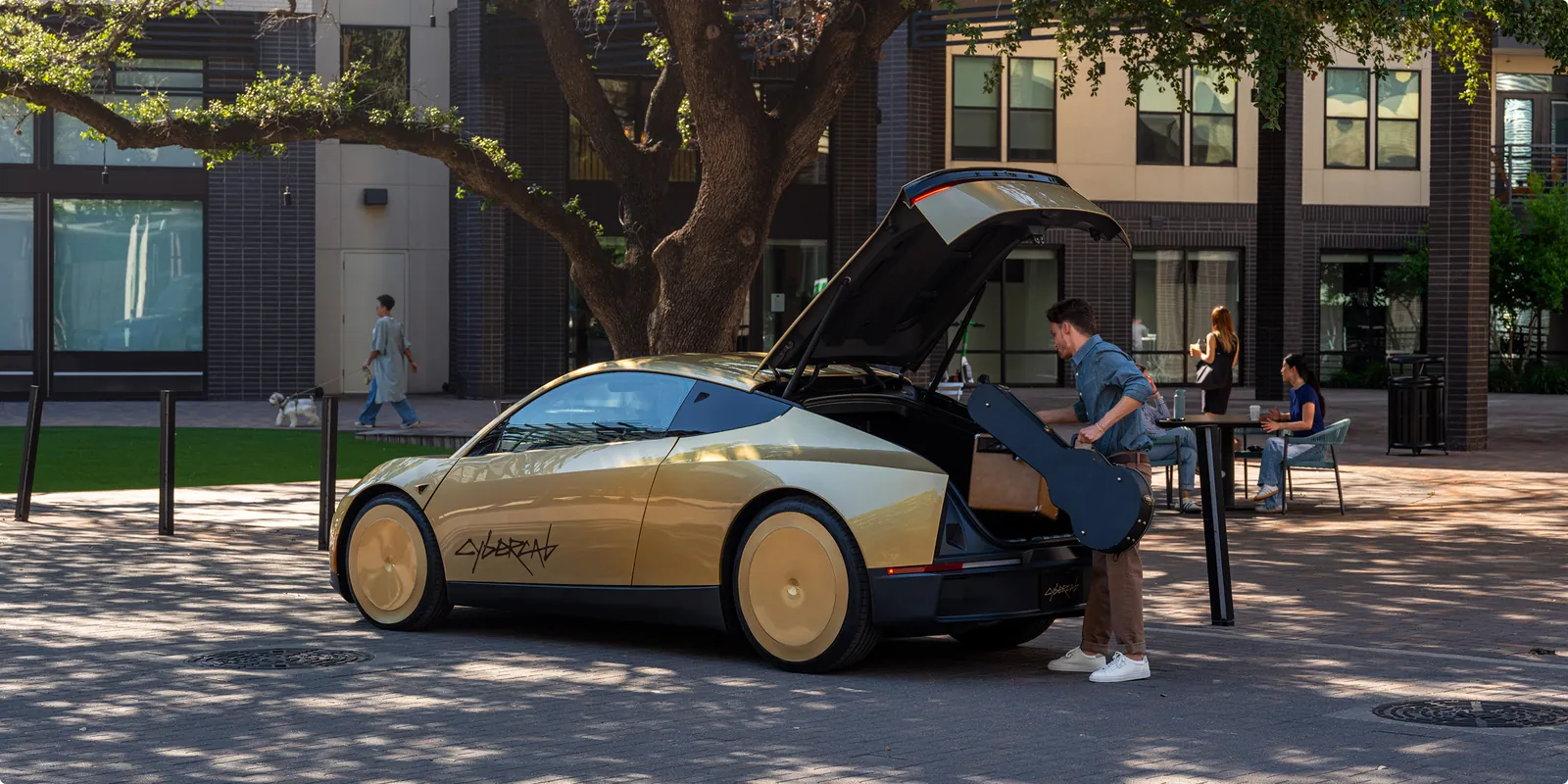
The Tesla Cybercab isn’t coming. It’s here. Tesla’s two-seat robotaxi has been carrying riders in Austin since Sept. 3, 2026, and Tesla says more than 300 of them roam the city. Dallas follows in November. What Tesla still hasn’t said is how much one costs or when you can buy your own.
When does the Tesla Cybercab come out?
It’s already out, as a robotaxi. Tesla unveiled the Cybercab and a larger Robovan at its “We, Robot” event on Oct. 10, 2024. The road from that stage to real streets took almost two years.

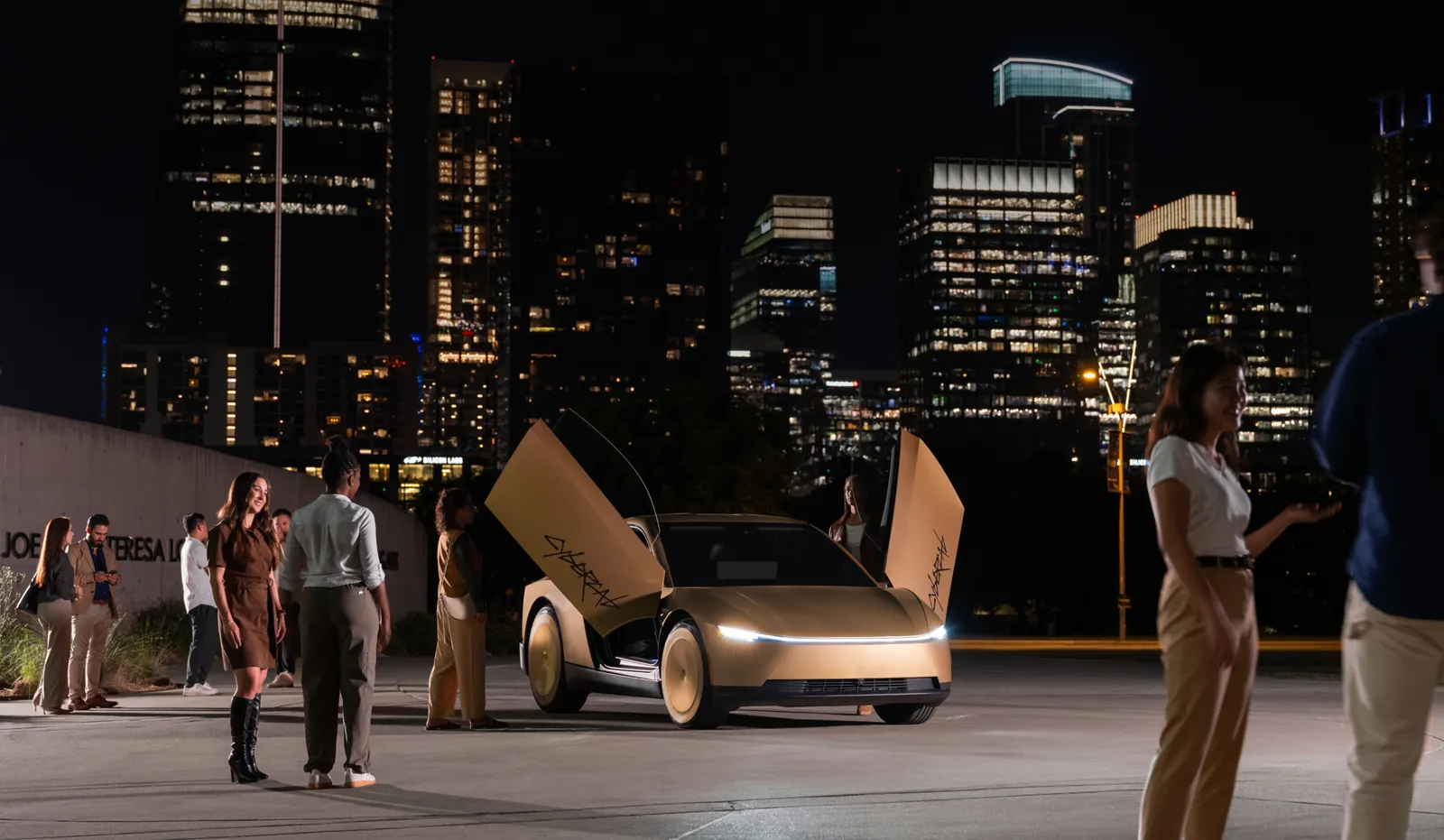
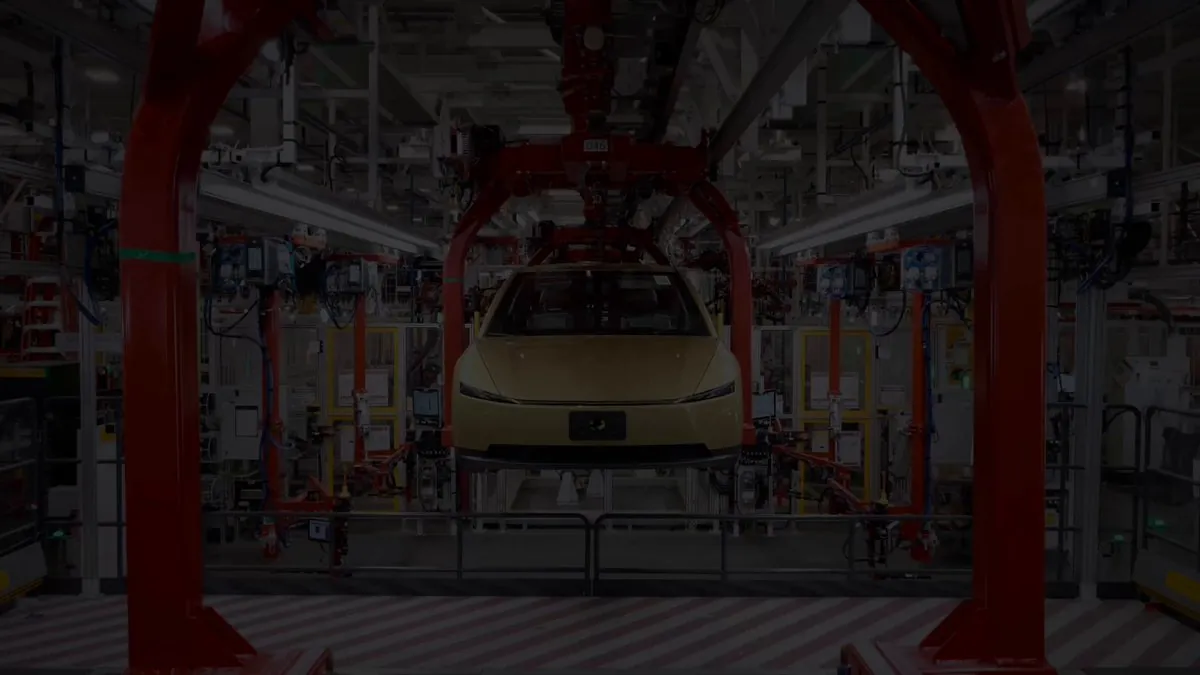
In January 2026, Tesla said the Cybercab production ramp would start in the first half of the year. In April, it listed the Cybercab in pilot production at Gigafactory Texas, and in its July update Tesla said production had begun, with an installed capacity of more than 125,000 a year.
Employees got the first rides on Tesla’s Gigafactory Texas campus in July, while engineering test drives on public roads were already under way. On Aug. 21, Tesla’s X account posted an invitation to a Cybercab event in Austin on Sept. 3, and commercial service started that very day. Rides opened to the public the next day: Tesla’s Robotaxi account first set the start for 5 p.m. CT on Sept. 4, then moved it up to 2 p.m. CT, citing popular demand.
Where can you ride a Tesla Cybercab?
Only in Austin so far. You hail one through Tesla’s Robotaxi app for iOS and Android, which can match you with either a Cybercab or a Model Y. On Oct. 10, the second anniversary of the unveiling, Tesla’s Robotaxi account said more than 300 Cybercabs were serving Austin one month after launch, an eightfold increase in 30 days. The same day, Tesla’s head of AI software, Ashok Elluswamy, wrote: “Dallas soon.”
Tesla’s Robotaxi service also runs in Dallas, Houston, Miami, Orlando and Tampa, so far with Model Y cars, and in the San Francisco Bay Area with a safety driver. Tesla’s Robotaxi page lists Las Vegas, Phoenix, San Antonio and Jacksonville as coming soon. Tesla expects the Cybercab to start replacing the Model Y in its fleet and, over time, to become the most common vehicle in it.
Can you buy a Tesla Cybercab, and how much will it cost?
Tesla hasn’t opened orders or published a price, and the Cybercab isn’t among the vehicles Tesla lists for sale on its website. The only price hint came from Elon Musk: on Feb. 17, 2026, an X user asked whether Tesla would sell a Cybercab to a customer for $30,000 or less before 2027, and Musk said it would. On Tesla’s Oct. 21 earnings call, its vehicle engineering chief said Tesla aims to reach customers by the end of 2026. Expected price: about $30,000, our estimate, in line with that promise.
So far, every Cybercab on the road belongs to Tesla’s own Robotaxi fleet. Tesla’s Robotaxi page has an interest form for anyone who wants to operate Robotaxi fleets or work with Tesla. In its July update, Tesla said deliveries will depend partly on how it splits production between sales to customers and its own fleet.
Tesla Cybercab specs Tesla has confirmed
Climb in and the first thing you notice is what’s missing. The Cybercab is designed for full autonomy, with no steering wheel and no pedals. Two passengers sit on a bench facing a center touchscreen, and the 20-cubic-foot trunk has room for luggage, golf clubs or scooters.
Tesla’s emergency response guide for first responders calls it an SAE Level 4 autonomous vehicle and puts the charge port on the rear bumper, below the trunk. The same guide says some Cybercabs used for testing and validation carry a steer-by-wire steering wheel and pedals, and that first responders can move an operable Cybercab with its onboard controls.
Tesla is keeping most of the hard numbers to itself. It hasn’t advertised the battery size, the range or a price, but its EPA certification filing from May 2026 fills in some of the blanks: a single front motor rated at 163 kW, or 219 hp, a battery of about 47.6 kWh (146 amp-hours at 326 volts) and a curb weight of 3,113 pounds. Tesla’s raw lab tests in the same filing show 418 miles on the city cycle and 375 on the highway, before the EPA’s adjustment, and the EPA hasn’t published an official range rating yet. In 2024, Tesla said the Cybercab would use a new powertrain on its next-generation platform, with an estimated 5.5 miles per kWh, its most efficient yet. Every Cybercab so far comes from Gigafactory Texas, and riders reach it through the Robotaxi app.
Is the Tesla Cybercab legal without a steering wheel?
US safety regulators are checking. Carmakers certify their own vehicles as meeting federal safety standards, and some of those standards assume a human driver, for example by requiring turn signals that cancel when the steering wheel turns. On Sept. 3, the day Cybercab rides began, the National Highway Traffic Safety Administration (NHTSA) opened an audit of Tesla’s basis for certifying the Cybercab. On Sept. 10, it ordered Tesla to answer its questions under oath by Sept. 30. Tesla asked for more time on Sept. 18, and NHTSA moved the deadline to Oct. 30. The questions include whether the Cybercab can be driven with temporarily attached human controls and whether Tesla relied on such controls to certify it. Failing to answer fully could bring civil penalties of up to about $139 million. When we checked NHTSA’s file at 2:20 a.m. ET on Oct. 31, the day after the deadline, it still showed no answer from Tesla, and the audit was still open.
Separately, on Oct. 9, NHTSA opened a review of a petition alleging that Tesla robotaxis, both Model Y and Cybercab, have exceeded posted speed limits in active school zones. NHTSA will decide whether to grant it and open an investigation.
What Tesla said on Oct. 21
Tesla reported its third-quarter results on Oct. 21. Its update says Cybercab rides started in Austin on Sept. 3 and that the Robotaxi service reached nearly 2 million unsupervised miles by the end of September. On the call, Elon Musk said the Austin Cybercab fleet grew tenfold in about a month, most Cybercabs stay with Tesla as a ride service and Robotaxi shows in revenue and profit from Q2 2027. The update adds that Austin rides run from 6 a.m. to midnight and that Grok, the xAI assistant, works inside the Cybercab. Tesla’s chief financial officer, Vaibhav Taneja, said Tesla plans to bring the Cybercab to other cities before the end of 2026. In its 10-Q filed Oct. 22, Tesla put 2026 capital spending at more than $20 billion, down from more than $25 billion in July. Its Robotaxi safety page counts 3,112,541 miles driven without a safety monitor from Jan. 22 to Oct. 18, and the annual shareholder meeting is set for Dec. 3 at 4 p.m. ET.
For Tesla’s other new products, see our pages on the Tesla Roadster unveiling and the Tesla Optimus robot.
This page is updated as soon as Tesla opens Cybercab service in Dallas, answers NHTSA, announces a consumer price or starts customer sales.
FAQ
Where can I ride a Tesla Cybercab?
Only in Austin so far, through Tesla’s Robotaxi app. On Oct. 10, Tesla’s Robotaxi account said more than 300 Cybercabs were serving the city, and on Oct. 21, Tesla’s head of AI software said Cybercab service launches in Dallas next month. Tesla’s other Robotaxi cities still use the Model Y.
How much does a Tesla Cybercab cost?
Expected price: about $30,000, our estimate. Tesla hasn’t announced a price. Musk has said a customer will be able to buy one for $30,000 or less before 2027. Riders in Austin hail it through the Robotaxi app, and Tesla hasn’t announced separate fares for Cybercab rides.
Does the Tesla Cybercab have a steering wheel?
Tesla says the Cybercab is designed for full autonomy without a steering wheel or pedals. That’s why US safety regulators opened a review of how Tesla certified it.
How many people fit in a Tesla Cybercab?
Two. Tesla says it has bench-style seating for up to two passengers, a center touchscreen and a trunk big enough for luggage, golf clubs or a scooter.
When is the Tesla Cybercab coming to Dallas?
In November 2026. On Tesla’s Oct. 21 earnings call, its head of AI software, Ashok Elluswamy, said Cybercab service launches in Dallas next month. Tesla already runs Model Y robotaxis without a safety monitor in Dallas.


