Rumor tracker In production
Tesla Cybercab: no wheel, no pedals, 300 cars in Austin and a $30,000 promise. Everything we know
Tesla's two-seat robotaxi has carried paying riders in Austin since Sept. 3, and Dallas is next. Here is what Tesla has confirmed, what its federal filings show, what regulators want to know and when you might be able to buy one.
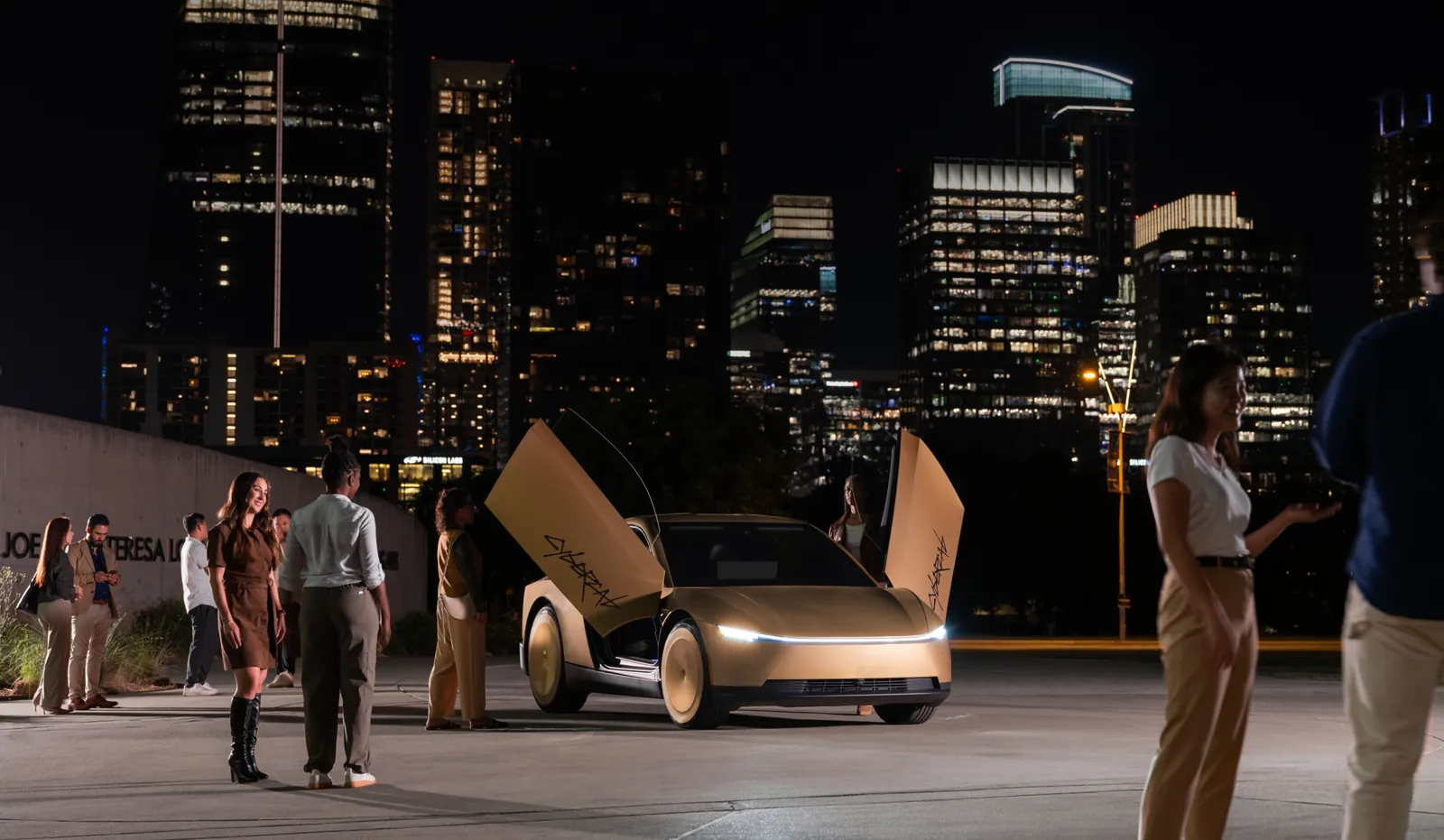
The Cybercab is no longer a concept on a stage. Tesla’s two-seat robotaxi, a small electric car with no steering wheel and no pedals, has been carrying riders in Austin since Sept. 3, 2026. A month later Tesla said more than 300 of them were on the city’s streets.
The short version: you can ride one in Austin through Tesla’s Robotaxi app, but you cannot buy one. Tesla has published no price and no order page, although Elon Musk says customers will be able to buy a Cybercab for $30,000 or less before 2027. Dallas is next, with no date, and federal safety regulators want sworn answers from Tesla by Oct. 30.
Two years from stage to street
Tesla unveiled the Cybercab on Oct. 10, 2024, at its “We, Robot” event on a Warner Bros. studio lot in Burbank, Calif. Musk promised a price under $30,000, production in 2026, “before 2027”, charging by induction with no plug, and running costs that could fall to about $0.20 a mile over time.
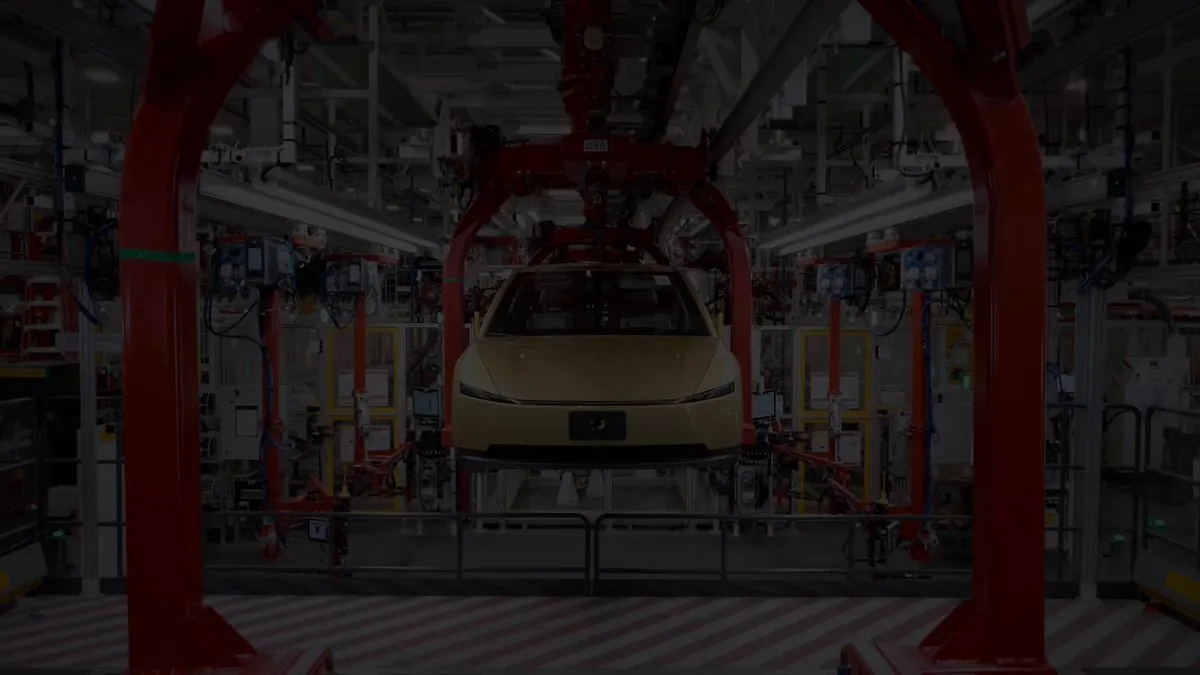
Tesla built the lines at Gigafactory Texas with a new “unboxed” way of making cars. At the shareholder meeting in November 2025 Musk promised production in April “right here in this factory,” and in January 2026 called the car a “dedicated two-seater” with no fallback controls.
On Feb. 17 Tesla posted a photo of the first Cybercab off the line, and by April it was in pilot production. In its July 22 update Tesla said production had begun, on a line with more than 125,000 cars a year of capacity. Employees got the first rides that month. Musk also explained the test cars Austin residents had been photographing since December: Tesla first ran Cybercabs retrofitted with steering wheels and brakes to gather driving data.
Launch day in Austin
On Aug. 21 Tesla posted an invitation: “Exclusive access, Cybercab, 09.03.26, Austin, TX.” Launch day was invite only, according to news reports from Austin, with no press and no Musk. The next day Tesla’s Robotaxi account opened rides to the public and moved the start up from 5 p.m. to 2 p.m. Central “due to popular demand.”

The fleet started small. Texas records listed 45 Cybercabs for Tesla’s driverless service on Aug. 31, out of 420 vehicles in all. On Oct. 10, the second anniversary of the unveiling, Tesla’s Robotaxi account said it had scaled to 300+ Cybercabs in Austin, an eightfold increase in 30 days, and reports put Texas registrations at 319 that day. Tesla AI executive Ashok Elluswamy added two words: “Dallas soon.”
Inside: a bench, a screen and a trunk
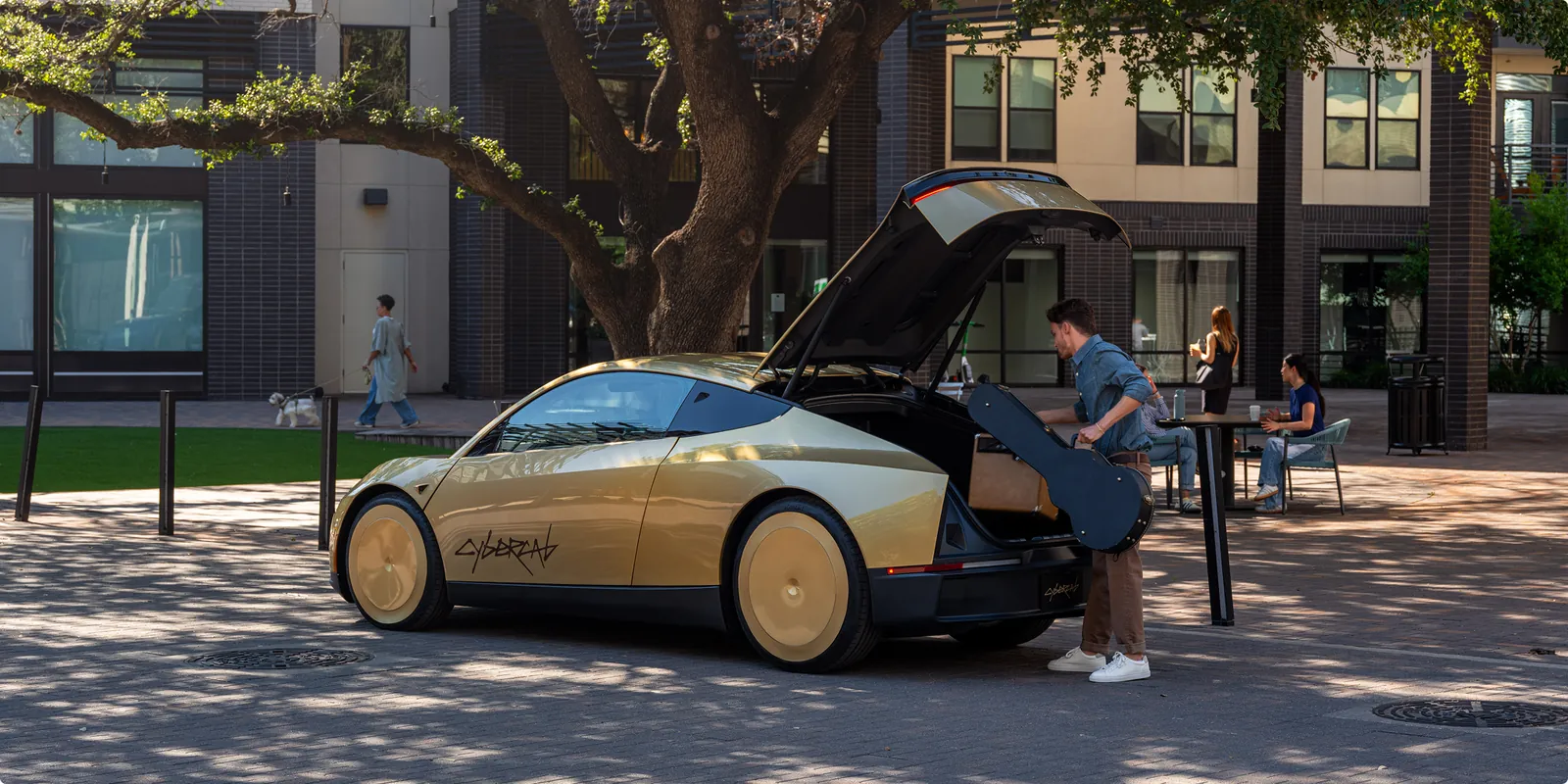
Climb in and the first thing you notice is what is missing. There is no driver’s seat, just a bench for up to two passengers facing a center touchscreen. Tesla’s Robotaxi page says the trunk has room for luggage, golf clubs or scooters. The Model Y robotaxis it works alongside carry up to four people. More is on the way: at a fan event at Giga Texas on Oct. 10, the Cybercab’s chief engineer promised new seats and “very cool upgrades” soon, according to attendees' posts.
Tesla wants the Cybercab to replace the Model Y robotaxis and, over time, become its largest-volume vehicle. A US business newspaper, citing people familiar with the matter, reported in March that the Austin line was designed to build hundreds of cars a week at full speed.
A joystick on the screen
Tesla’s own emergency response guide calls the Cybercab an SAE Level 4 car that is “not typically equipped with a steering wheel or acceleration and brake pedals.” Note the word typically. The same guide says some test cars carry a steer-by-wire wheel and electronic pedals on the driver’s side, and that the Cybercab “can be manually moved with onboard vehicle controls.”
Videos from late August show what that means: a hidden touchscreen menu with a virtual joystick plus brake, horn and door buttons for moving the car by hand. A Tesla engineer used it at an Austin Supercharger. A rider who found the menu could not make the car move.
What the federal filing reveals
Tesla says little about the hardware, but the Cybercab’s EPA certificate, issued in May, lists one front motor rated at 163 kW, or 219 horsepower, with front-wheel drive, a 326-volt battery that works out to about 47.6 kWh, a curb weight of 3,113 pounds and an on-board charger.
Tesla’s lab tests in the filing show 418 miles on the city cycle and 375 on the highway. Those are raw numbers before the EPA’s real-world adjustment, and the car has no official EPA range rating yet. For scale, the 2026 Model Y Long Range AWD is rated at 327 miles. Back in 2024 Tesla said the Cybercab’s powertrain would manage an estimated 5.5 miles per kWh, its most efficient yet.
The plug that was not supposed to be there
Musk sold the Cybercab as a car that charges wirelessly. The test cars told a different story. In January 2026 videos on social media showed a Cybercab with a standard NACS plug behind a drop-down door in the rear bumper, and a worker plugging it into a Supercharger. Tesla’s emergency guide now confirms it: the charge port sits on the rear bumper, below the trunk.
Wireless charging is not dead. City site plans for a new Tesla charging site in Austin call for a cabinet built “to support 80 wireless chargers in phase 2.” For now, though, the plug is doing the work. A video from early October showed a single Tesla worker charging an empty Cybercab and nine Model Y robotaxis at a public Austin Supercharger at night, with the Cybercab backing in to reach its rear port.
Can you buy one, and what does a ride cost?
Not yet. Tesla’s Robotaxi page shows the Cybercab with no price and no order button, and every car on the road belongs to Tesla’s own fleet. Its interest form does offer “Cybercab fleet vehicle purchasing”, but that is for businesses. The best hint is a one-word answer. On Feb. 17 an X user asked whether Tesla would sell a Cybercab to a customer for $30,000 or less before 2027, and Musk replied: “Yes.” Tesla has not said how those sales would work.
Fares are a mystery too. Tesla publishes no Cybercab prices, but one rider’s app screenshots in September showed $7.77 for an Austin trip that cost $12.10 in a Model Y robotaxi, about 36% less. One trip is a hint, not a price list.
The questions from Washington
The missing pedals are now a federal question. On the day rides began, Tesla told NHTSA it had certified the Cybercab as meeting all applicable federal safety standards, without asking for an exemption. NHTSA opened an audit of that certification the same day.
On Sept. 10 the agency ordered Tesla to explain under oath how a car with no brake pedal meets the federal brake rule, how it handles the mirror rules, whether test cars had temporary human controls, whether anyone inside can move the car from the touchscreen and why Tesla sought no exemption. Tesla asked for more time, and NHTSA moved the deadline to Oct. 30. Incomplete answers could bring civil penalties of up to about $139 million.
Tesla had left itself a way out. In October 2025 chair Robyn Denholm said: “If we have to have a steering wheel, it can have a steering wheel and pedals.” So far Tesla has not taken it. A separate petition says Tesla robotaxis, Model Y and Cybercab alike, have driven over the limit in active school zones. NHTSA counts four incidents and no crashes, and opened a review of the petition on Oct. 9.
Beyond Austin
The Cybercab runs only in Austin, but Tesla’s Robotaxi service is bigger. It lists rides in Dallas, Houston, Miami, Orlando and Tampa with Model Y cars, and in the San Francisco Bay Area with a safety driver.
Elsewhere the paperwork is moving. Tesla lists Phoenix as “preparations underway”, and Nevada has approved Tesla’s robotaxi company to run up to 5,000 driverless cars around Las Vegas in its first year. Neither approval names the Cybercab. Waymo, the rival Tesla is chasing, already counts more than 20 million fully driverless rides.
What to watch next
The next date is Oct. 21, when Tesla reports its third-quarter results after the market closes, with a webcast at 5:30 p.m. ET. Look there for new production numbers and a Dallas date. Nine days later, on Oct. 30, Tesla’s sworn answers to NHTSA are due. We update this story as soon as Tesla or the regulators say more.
Our latest report: Tesla Cybercab release date: giving rides in Austin since Sept. 3, with Dallas next and no price yet
Tesla Cybercab FAQ
How much does the Tesla Cybercab cost?
Tesla has not published a price. Musk said in 2024 it would cost under $30,000, and in February 2026 he said “Yes” when asked if Tesla will sell one for $30,000 or less before 2027.
How much is a Cybercab ride?
Tesla publishes no Cybercab fares. One rider’s app screenshots showed $7.77 for an Austin trip that cost $12.10 in a Model Y robotaxi.
When can I ride a Cybercab?
Now, in Austin. Tesla began commercial rides on Sept. 3, 2026, opened them to the public on Sept. 4 and said more than 300 Cybercabs served the city by Oct. 10. Tesla says Dallas is “soon” but has given no date.
Can I buy a Cybercab?
Not yet. Tesla’s Robotaxi page has no price or order button, and its interest form only lets businesses ask about fleet purchases. Tesla says the Cybercab will begin replacing the Model Y in its own fleet. Musk says customers can buy one before 2027.
How is the Cybercab different from the Model Y robotaxis?
The Cybercab is a purpose-built two-seater with no steering wheel or pedals and one center screen. The Model Y robotaxi seats up to four, has normal driving controls and has front and rear screens.
What is the Cybercab's range?
Tesla has not published one, and EPA has no rating yet. Tesla’s EPA filing lists a battery of about 47.6 kWh and unadjusted lab results of 418 miles on the city cycle and 375 on the highway, which run higher than a sticker number.
How does the Cybercab charge?
By plug, for now. Tesla’s emergency guide puts the charge port on the rear bumper, its EPA filing lists an on-board charger, and videos show workers plugging Cybercabs into Superchargers. Tesla promised wireless charging in 2024 but has not said when it starts.
Is a car with no steering wheel legal?
Tesla told NHTSA it certified the Cybercab as meeting all federal safety standards without an exemption. NHTSA ordered Tesla to explain how, and the answers are due Oct. 30, 2026.
When does Tesla build Cybercabs in volume?
Production started at Giga Texas in 2026, slowly at first. Musk said output should climb steeply toward the end of the year and into 2027. Tesla reports again on Oct. 21.
Is the Cybercab coming to California?
Not announced. California lists Tesla’s robotaxi company only as a permit holder testing with a safety driver, and Tesla’s Bay Area rides use a driver.