Commander players love chasing the newest hotness. Every set brings flashy new legendary creatures that immediately capture our collective imagination, spawning thousands of decklists and hours of brewing content. But while we’re all fighting over the same marquee generals, some of Magic’s most interesting commanders quietly gather dust in our collections.
These forgotten legends often offer more unique gameplay experiences than their popular counterparts. They present fascinating deck-building puzzles, enable unexplored synergies, and—perhaps most importantly—they’ll catch your opponents completely off guard. When was the last time someone groaned about seeing the same commander for the fifth time this month? These five underplayed generals will ensure that never happens to you.
Each commander on this list brings something special to the table: political intrigue, explosive combo potential, or simply a fresh take on familiar strategies. Better yet, most can be built on reasonable budgets since their key pieces aren’t inflated by competitive demand.
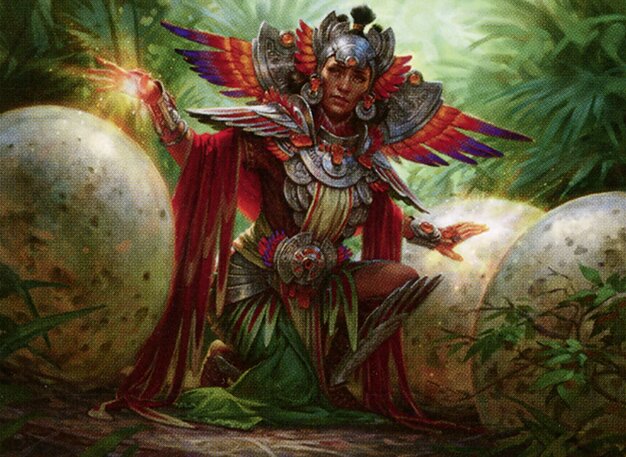
Atla Palani, Nest Tender – The Polymorph Queen
Atla Palani, Nest Tender might look like a simple creature-based commander at first glance, but she’s actually one of the most explosive combo engines in Naya colors. This human shaman turns every egg token into a potential game-ending threat, transforming your board from cute 0/1s into massive creatures in the blink of an eye.
The core strategy revolves around creating egg tokens with Atla’s activated ability, then immediately sacrificing them to cheat enormous creatures into play. Cards like Ashnod’s Altar and Phyrexian Altar provide repeatable sacrifice outlets, while Thornbite Staff lets you untap Atla whenever a creature dies. This creates an engine where each egg you sacrifice generates mana and potentially draws you into another huge threat.
What makes Atla truly special is her versatility. You can build her as a creature-based combo deck, stuffing your library with expensive threats like Blightsteel Colossus and Ghalta, Primal Hunger. Or take a more political approach, creating armies of egg tokens that opponents won’t want to remove—after all, who knows what nightmare you’ll flip into play?
The beauty of Atla lies in her built-in protection from creature-based removal. Every time opponents target your threats, you get to spin the wheel again. Board wipes become double-edged swords for your opponents—clear the board and watch you potentially flip into an even scarier position.
Budget builders will love that many of Atla’s best targets are bulky creatures that haven’t seen competitive play. Cards like Worldspine Wurm and Kogla, the Titan Ape provide incredible impact without breaking the bank. Even the expensive pieces like Seedborn Muse and Sneak Attack aren’t mandatory—they just make the deck more explosive.
Seizan, Perverter of Truth – The Group Hug Assassin
Black is rarely associated with group hug strategies, but Seizan, Perverter of Truth turns that assumption on its head. This demon spirit offers everyone extra cards while slowly draining life totals, creating a fascinating political dynamic that no other commander can match.
Seizan’s ability seems generous—everyone draws an extra card and loses just 2 life each turn. Early in the game, opponents often welcome the additional resources. But as turns accumulate, those 2 points of damage add up quickly. By the time your opponents realize the true threat, they’ve often taken 10-15 damage just from your commander’s trigger.
The political implications are endless. Seizan creates natural alliances with players who need cards more than life, while threatening combo players who can’t afford the life loss. You become the table’s drug dealer—offering a fix everyone wants but few can afford long-term.
Building around Seizan requires a delicate balance. You want effects that amplify his damage without appearing immediately threatening. Wound Reflection doubles all life loss, turning Seizan’s gentle tap into a serious threat. Exquisite Blood provides incremental life gain to offset the symmetrical damage, while cards like Bloodchief Ascension punish opponents for the extra cards they’re drawing.
The real trick is managing the game’s tempo. Early game, you’re everyone’s friend—providing much-needed card selection and resources. Mid-game becomes about subtle positioning and threat assessment. By late game, you’ve often dealt significant damage to multiple opponents while maintaining a full grip of cards.
Seizan works particularly well in metas where games tend to drag out. Each extra turn cycle represents 8 damage spread across your opponents—meaningful pressure that forces quicker decisions and shorter games. Plus, the deck can pivot into traditional black strategies like reanimation or control when needed.
Teshar, Ancestor’s Apostle – The Recursion Engine
Teshar, Ancestor’s Apostle represents one of white’s most powerful but overlooked engines. This legendary bird cleric turns every historic spell into a Raise Dead effect, enabling incredible value plays and combo potential that most players never see coming.
Teshar’s triggered ability activates whenever you cast a historic spell—artifacts, legendary spells, or Sagas. Since artifacts are naturally historic, nearly every mana rock and utility artifact triggers Teshar, creating a deck that practically builds itself. Sol Ring returns a creature. Lightning Greaves returns another. Even simple artifacts like Wayfarer’s Bauble become powerful engines.
The combo potential is staggering. Scrap Trawler creates loops with cheap artifacts, while Junk Diver and Workshop Assistant establish recursive chains. Add a sacrifice outlet like Ashnod’s Altar and suddenly you’re generating infinite mana and storm count. Aetherflux Reservoir provides a clean win condition for these loops.
But Teshar doesn’t need to combo to be effective. Pure value plays are equally powerful. Casting Vanquisher’s Banner to return Puresteel Paladin gives you card draw and equipment synergy. Playing Weathered Wayfarer after any artifact gives you a powerful utility creature that opponents struggle to remove permanently.
The deck’s resilience is remarkable. Traditional removal becomes ineffective when every topdeck artifact spell potentially returns your best creature. Board wipes lose their sting when your next play brings back two or three key pieces. Opponents quickly learn that killing Teshar herself just delays the inevitable—she’ll be back next turn.
Budget consciousness makes Teshar even more appealing. Many powerful historic spells are relatively affordable because they don’t see competitive play. Cards like Inspiring Statuary and Semblance Anvil create powerful cost reduction engines without premium price tags. Even expensive pieces like Enlightened Tutor aren’t strictly necessary—the deck has enough redundancy to function smoothly.
Doran, the Siege Tower – The Defensive Beatdown
Doran, the Siege Tower fundamentally changes how creatures work, turning the meekest defenders into aggressive threats. This treefolk shaman creates unique gameplay scenarios where traditional combat math goes out the window and cards that normally see no play become all-stars.
Doran’s static ability means toughness matters more than power, completely inverting normal creature evaluation. Suddenly Tree of Redemption becomes a 13/13 beater. Tasseled Dromedary transforms from a 2/1 into a 4/2. Even humble defenders like Wall of Omens become legitimate threats while maintaining their defensive utility.
The strategy creates fascinating deck-building constraints. You want creatures with high toughness but not necessarily high power—exactly the opposite of most aggressive strategies. Cards like Skinshifter and Assault Formation provide redundancy for Doran’s effect, ensuring your strategy remains online even when opponents target your commander.
Combat becomes a puzzle for opponents. Traditional blocking strategies fail when every creature has unexpected power levels. A board of seemingly harmless utility creatures suddenly represents lethal damage. The psychological impact is real—opponents struggle to properly assess threats when their fundamental assumptions about creature stats no longer apply.
Doran excels at midrange strategies. You’re not looking to combo off or control the entire game—instead you want to establish battlefield presence and apply steady pressure. Cards like Overgrown Battlement provide both mana acceleration and eventual win conditions. Kin-Tree Invocation creates massive spirits based on your commander’s impressive toughness.
The Abzan color combination provides excellent support. Black offers removal and card selection, while green provides ramp and toughness-matters effects. White contributes powerful defensive creatures and protection spells. Cards like Tower Defense become combat tricks that can instantly swing games in your favor.
Building Doran on a budget is surprisingly easy. Most high-toughness creatures are inexpensive because they don’t see play elsewhere. The most expensive pieces tend to be the powerful Abzan staples like Assassin’s Trophy and Abrupt Decay, but even these aren’t mandatory for casual play. Many effective builds focus on creatures under $2 each.
Grothama, All-Devouring – The Political Powerhouse
Grothama, All-Devouring creates the most unique political dynamic of any commander. This massive wurm essentially pays opponents to attack you, turning traditional combat into a negotiation game where everyone can benefit—if they’re smart enough to play along.
Grothama’s ability rewards anyone who deals damage to her with cards equal to that damage. This immediately changes the game’s social dynamics. Instead of fearing attacks, you’re actively encouraging them. Opponents face a fascinating choice: ignore an 8/8 threat or attack and give you significant card advantage.
The political implications run deep. Early game, Grothama acts as a massive deterrent while offering opponents who are behind additional resources. Mid-game, she becomes a bargaining chip—you can negotiate which opponents get to draw cards and how many. Late game, she often represents a massive Harmonize effect that refills your hand at instant speed.
Building around Grothama requires understanding her dual nature. She’s simultaneously a threat and a resource engine. Cards like Vigor prevent the damage while still triggering card draw. Heroic Intervention and Wrap in Vigor create similar effects, turning potential removal into pure value.
The deck excels at creating explosive turns. Drawing 6-8 cards from Grothama’s ability sets up powerful follow-up plays. Green’s natural ramp effects become even more potent when you’re drawing extra cards each turn cycle. Combinations like Garruk, Primal Hunter and Life’s Legacy provide additional ways to convert Grothama’s impressive size into resources.
Token strategies work particularly well. Creating multiple small creatures gives opponents more options for how much damage to deal, while cards like Fresh Meat and Caller of the Claw provide insurance against board wipes. Beacon of Creation creates an army that opponents can use to trigger Grothama while building your own board presence.
Perhaps most importantly, Grothama games are simply fun. The constant negotiations and unusual combat decisions create memorable game states that players talk about long after the game ends. She transforms Commander from a competitive exercise into a social experience that highlights the format’s unique multiplayer dynamics.
Building Your Hidden Gem
Each of these commanders offers something current popular choices cannot: genuine surprise value and unique gameplay experiences. They reward creative deck-building and provide natural conversation starters that enhance the social aspects of Commander games.
The key to success with underplayed commanders is embracing their unique identities rather than trying to force them into established archetypes. Atla wants to cheat on mana costs, not play fair Magic. Seizan thrives on political manipulation, not traditional control strategies. Understanding what makes each commander special leads to more focused, effective builds.
Budget considerations make these choices even more appealing. Since their key synergy pieces aren’t in high demand, most supporting cards remain reasonably priced. This makes them excellent choices for players looking to build something unique without breaking the bank.
Remember that power level discussions become more important with unusual commanders. Your playgroup might need time to understand exactly how threatening these strategies can become. Starting with mid-power builds and adjusting based on your meta’s response often works better than immediately building the most optimized version possible.
The greatest reward of playing underplayed commanders is the discovery process. You’ll find synergies that no one has explored, overcome challenges that no primer addresses, and create game states that surprise even experienced players. That sense of genuine exploration and discovery represents Commander at its absolute best.
Which of these overlooked legends speaks to you? Whether you’re drawn to Atla’s explosive potential, Seizan’s political intrigue, or Grothama’s unique social dynamics, each offers months of brewing possibilities and countless memorable games. Sometimes the best commanders are hiding in plain sight, waiting for someone bold enough to give them a chance to shine.