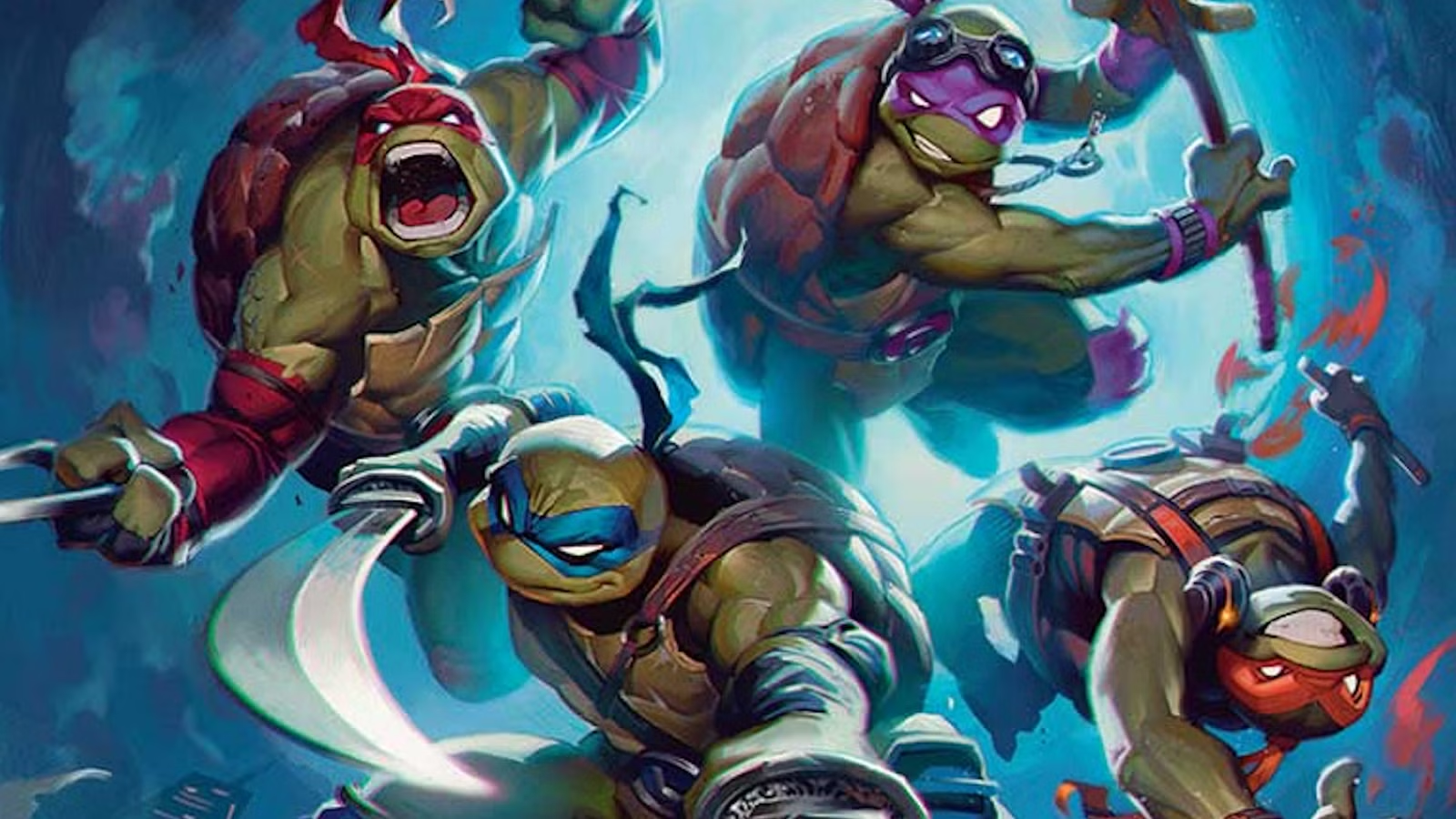
Cowabunga, planeswalkers! Magic’s latest Universes Beyond offering takes us straight to the sewers of New York City with a radical crossover that brings Leonardo, Donatello, Raphael, and Michelangelo to our battlefields. The Teenage Mutant Ninja Turtles have been kicking shell and taking names since the 1980s, and now they’re ready to do the same across the multiverse.
This isn’t your typical Magic set release. Coming as a specialty product similar to previous Universes Beyond offerings, the TMNT cards blend the beloved characters and themes from the turtle universe with Magic’s mechanical identity. The question isn’t whether these cards capture the spirit of pizza-loving, nunchuck-wielding heroes in a half shell—it’s whether they’ll make waves in competitive formats or find homes in our Commander decks.
What we’re seeing here represents Wizards’ continued exploration of how beloved franchises can translate into Magic’s design space while maintaining mechanical integrity. Some of these cards pack serious power, others lean heavily into flavor, and a few might just surprise you with their versatility.
The Heroes in a Half Shell
The four turtle brothers form the centerpiece of this release, and each brings their distinctive personality and fighting style to the battlefield. These legendary creatures don’t just look the part—they play distinctly different roles that reflect decades of characterization.
Leonardo: Leadership Through Combat
Leonardo arrives as a three-mana white and blue legendary creature with a 3/3 body and an ability that screams battlefield commander. When he enters, you can search your library for an Equipment card and put it directly onto the battlefield attached to target creature. His static ability gives all creatures you control with Equipment attached a +1/+1 bonus and vigilance.
This design immediately calls to mind cards like Nazahn, Revered Bladesmith, but Leo’s lower mana cost and immediate board impact make him potentially more aggressive. In Commander, he slots naturally into Equipment-matters strategies, potentially helming his own deck or supporting existing Voltron builds. The vigilance grant is particularly spicy—it turns your equipped creatures into both offensive threats and defensive stalwarts.
Competitively, Leo’s three-mana cost puts him in an interesting spot. He’s too expensive for most aggressive strategies but potentially impactful enough for midrange Equipment decks, especially in formats where Colossus Hammer or Kaldra Compleat see play.
Donatello: The Tech Advantage
Donatello embraces his role as the tech-savvy turtle with a blue and red identity that screams artifact synergies. As a 2/4 for three mana, he’s not winning combat on stats alone, but his abilities more than compensate. Donatello reduces the cost of your first artifact spell each turn by two generic mana, and whenever an artifact enters under your control, you may draw a card, then discard a card.
The cost reduction immediately brings Jhoira, Weatherlight Captain to mind, though Donatello’s limitation to one spell per turn keeps him from enabling the same explosive turns. However, that built-in card selection keeps your hand full of options while filtering toward your best plays.
In Commander, Donatello fits beautifully into artifact-heavy builds, particularly those running cheap artifacts like Ornithopter or Memnite to trigger consistent card selection. His colors give him access to the full suite of artifact synergies while providing the card velocity to keep chains going.
Raphael: Controlled Aggression
Raphael brings the heat with a red and black design that captures his aggressive, sometimes reckless fighting style. At four mana for a 4/3 body, he comes with haste and an attack trigger that deals damage equal to his power to any target. However, true to his impulsive nature, Raphael also deals 2 damage to you when he enters the battlefield.
This design walks the line between powerful and risky beautifully. Eight damage split across entry and attack represents serious reach, but that self-damage keeps Raphael from being an automatic include. He rewards aggressive strategies that can leverage the immediate damage while accepting the life loss as part of the plan.
Competitively, Raphael faces tough competition at four mana in aggressive decks, but his immediate impact and reach potential could carve out a niche. In Commander, he’s pure aggro support—exactly what red-black decks want for closing out games or pressuring combo players.
Michelangelo: Party Time
Michelangelo captures the fun-loving party dude aesthetic with a green and white design that cares about creatures entering the battlefield. For three mana, you get a 2/2 that creates a Food token whenever a creature enters under your control. Additionally, you can sacrifice a Food to give target creature +2/+2 until end of turn.
The Food synergies feel perfect for Mikey’s pizza obsession while providing genuine mechanical value. Food tokens offer both incidental life gain and combat tricks, creating interesting decision points about when to cash them in. This design has clear homes in creature-heavy strategies and Food-matters builds.
Cards like Peregrin Took and Samwise Gamgee have shown Food strategies have legs in Commander, and Michelangelo adds another powerful engine to that archetype. The +2/+2 boost is significant enough to change combat math dramatically or enable surprise lethal attacks.
Supporting Cast and Villains
The turtle brothers don’t fight alone, and this set delivers iconic allies and enemies that expand the mechanical themes while staying true to source material.
Master Splinter: The Wise Sensei
Master Splinter arrives as a two-mana legendary creature with a unique teaching ability. Whenever you cast a noncreature spell, you may put a study counter on Splinter. Then, you can remove three study counters to search your library for any card and put it into your hand.
This tutoring ability is incredibly powerful but requires setup and patience—perfect for the wise sensei’s patient teaching style. In Commander, Splinter enables toolbox strategies and provides access to silver bullets. His low mana cost means he can come down early and start accumulating counters immediately.
The comparison to Sensei’s Divining Top isn’t perfect, but both cards reward long-term planning and offer powerful late-game payoffs. Splinter’s ability to find any card, not just the next few, makes him potentially game-ending in the right shell.
Shredder: The Persistent Threat
The Shredder brings his mechanical menace to Magic as a five-mana artifact creature with a recursive twist. When Shredder dies, you may exile him with three time counters, then suspend him. While suspended, artifact creatures you control get +1/+1 and menace.
This design captures Shredder’s tendency to return just when you think he’s defeated while providing immediate value even when removed. The static bonus while suspended means opponents face a real choice—deal with your artifact creatures now, or face an even bigger threat when Shredder returns.
In artifact-heavy Commander decks, Shredder provides both a threat and an anthem effect. His recursion makes him particularly annoying for opponents who prefer permanent solutions to their problems.
Pizza Power and Cowabunga Moments
Beyond the legendary creatures, this set includes several instant and sorcery spells that capture iconic TMNT moments while providing genuine strategic value.
Pizza Time
This two-mana sorcery creates four Food tokens and draws you a card, embodying the turtles’ famous pizza obsession while providing tangible game value. Compared to cards like Inspiring Statuary or Trail of Crumbs, Pizza Time offers immediate gratification rather than engine potential.
The rate here is actually quite good—four artifacts for two mana with a card draw bonus opens up interesting synergies with artifact-cost reduction effects and sacrifice outlets. In Food-matters strategies, this provides both fuel and card advantage.
Turtle Power
A three-mana instant that gives all creatures you control +2/+2, trample, and haste until end of turn. This is overrun effects territory, but the instant speed and universal nature make it a genuine combat trick that can steal games.
What sets Turtle Power apart from similar effects like Overcome is the combination of stats, keywords, and instant timing. It’s both an alpha strike enabler and a defensive trick, giving it versatility that pure pump spells often lack.
Format Impact and Competitive Analysis
While these cards clearly lean toward casual and Commander play, several have potential competitive applications that deserve consideration.
Modern and Pioneer Considerations
Leonardo’s Equipment tutoring could find homes in existing Equipment strategies, particularly those running Sigarda’s Aid for explosive starts. His three-mana cost competes with Stoneforge Mystic, but the immediate Equipment deployment might justify inclusion in some builds.
Donatello’s artifact cost reduction is powerful enough to enable new strategies, particularly when combined with zero-cost artifacts and draw engines. His card selection helps smooth draws while building toward powerful artifact payoffs.
The challenge for competitive inclusion is that most of these cards require building around to maximize their potential. That’s not necessarily disqualifying, but it does limit their immediate impact on established metagames.
Commander All-Stars
Commander is where these cards truly shine. Each turtle brother offers a unique build-around potential that supports different strategic approaches. Leonardo enables Equipment voltron strategies, Donatello powers artifact storm builds, Raphael provides aggressive reach, and Michelangelo supports creature-based Food synergies.
The supporting cards like Master Splinter and Shredder provide powerful effects that scale well in multiplayer games. Splinter’s tutoring becomes increasingly valuable as games go longer, while Shredder’s recursion and anthem effects provide persistent pressure.
Flavor Wins and Design Success
What impresses most about this TMNT crossover is how successfully the cards capture character personalities through mechanical design. Leonardo leads through Equipment synergies, Donatello innovates with artifacts, Raphael fights aggressively with acceptable risks, and Michelangelo parties with Food tokens. These aren’t just names slapped on generic effects—they’re thoughtful translations of beloved characters into Magic’s design language.
The power level feels appropriate for a specialty release. These cards are strong enough to see real play without warping formats or invalidating existing strategies. They expand options rather than replace them, which is exactly what crossover products should accomplish.
Building Around the Turtle Brothers
Each turtle suggests different deck construction approaches that reward leaning into their specific synergies rather than generic good stuff piles.
Leonardo wants cheap Equipment like Bonesplitter and Grafted Wargear alongside payoffs like Puresteel Paladin. Donatello pairs beautifully with zero-cost artifacts and effects like Mystic Forge. Raphael fits into aggressive shells that can afford the life loss for reach. Michelangelo builds around creature entry and Food payoffs.
The key insight is that these aren’t just powerful cards—they’re build-around engines that reward dedicated construction. That’s what makes them interesting rather than just another set of pushed legendary creatures.
Final Verdict: Radical Success
Magic’s TMNT crossover succeeds where it matters most—creating mechanically interesting cards that capture beloved characters while providing genuine strategic depth. These aren’t just collector pieces for fans; they’re legitimate additions to Magic’s card pool that will find homes in competitive and casual environments alike.
The power level strikes an excellent balance between playable and fair, while the mechanical designs reward thoughtful deck construction over generic value plays. Whether you’re a longtime turtle fan or simply appreciate well-designed Magic cards, this set offers something worthwhile.
Most importantly, these cards feel like they belong in Magic while honoring their source material. That’s no small feat for a crossover product, and it bodes well for future Universes Beyond releases. Cowabunga indeed—these heroes in a half shell are ready to kick some serious shell on Magic battlefields everywhere.